Do You Have a Dental Emergency? Here’s How to Tell
Experiencing tooth trouble and unsure what to do? Here’s how to tell if it’s a dental emergency and what to do next.
-
By the Midtown Dental Group Team

Please Note
If your dental emergency is life-threatening or you are experiencing difficulty breathing or swallowing, or have facial swelling, go to nearest urgent care or ER. For non-life-threatening issues, click above or email patientcare@midtowndentalgroup.com with “Emergency” in the subject and a brief description of your issue.
A dental injury can happen when you least expect it, which is why it’s important to feel equipped and prepared to handle the unexpected if a dental emergency arises! We asked our experienced team of Midtown Dental Group dentists about some of the most common dental emergencies to watch for and what to do if you experience one.
What Is a Dental Emergency?
A dental emergency is any dental injury or issue that requires immediate care and attention. While every dental problem won’t require immediate care, there are a few questions you can ask yourself to know whether or not you should find emergency dental care near you:
- Are you experiencing any swelling or bleeding in your mouth?
- Do you feel any sharp, consistent oral discomfort?
- Do you see any signs of infection?
- Have any teeth been loosened or knocked out?
If you answered yes to one or more of the questions above, the best thing to do is to contact an emergency dentist right away. They will be able to advise you on your next steps to ensure you get the emergency dental care you need as soon as possible.
Common Types of Dental Emergencies
There isn’t a one-size-fits-all rule for what constitutes a dental emergency. However, there are some prevalent dental issues that our Midtown Dental Group team encounters that often require immediate emergency dental care.
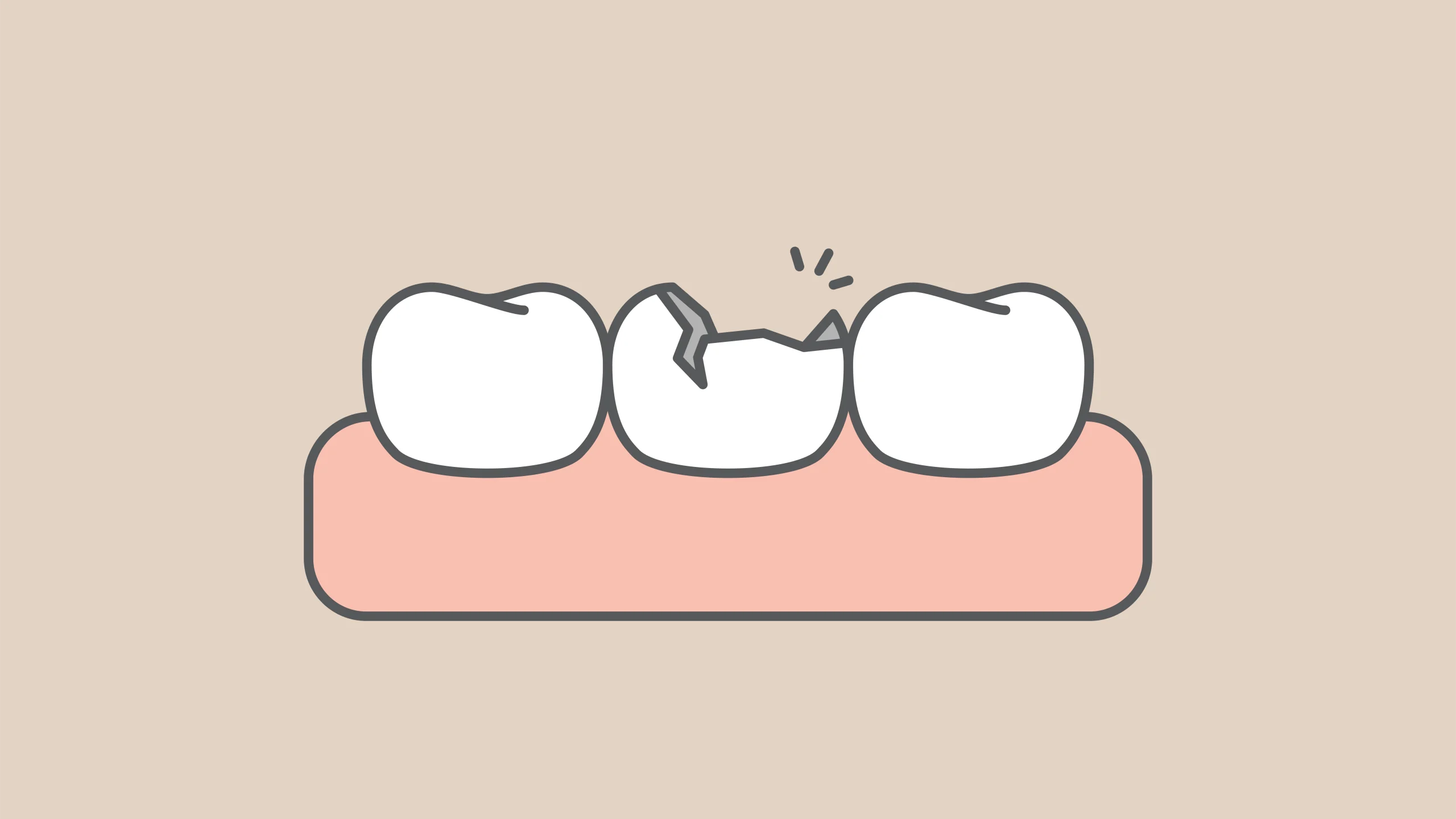
1. Cracked or Broken Tooth

Care for a cracked or broken tooth shouldn’t be put off, especially if the tooth’s root or nerve is damaged or exposed. Delaying care can lead to infection, tooth loss, or further damage to the tooth itself. If your tooth is cracked or broken, collect the broken tooth fragments and place them in milk or saline, rinse your mouth with warm water, take some over the counter pain medication, and seek urgent dental care.
2. Knocked-Out Adult Tooth
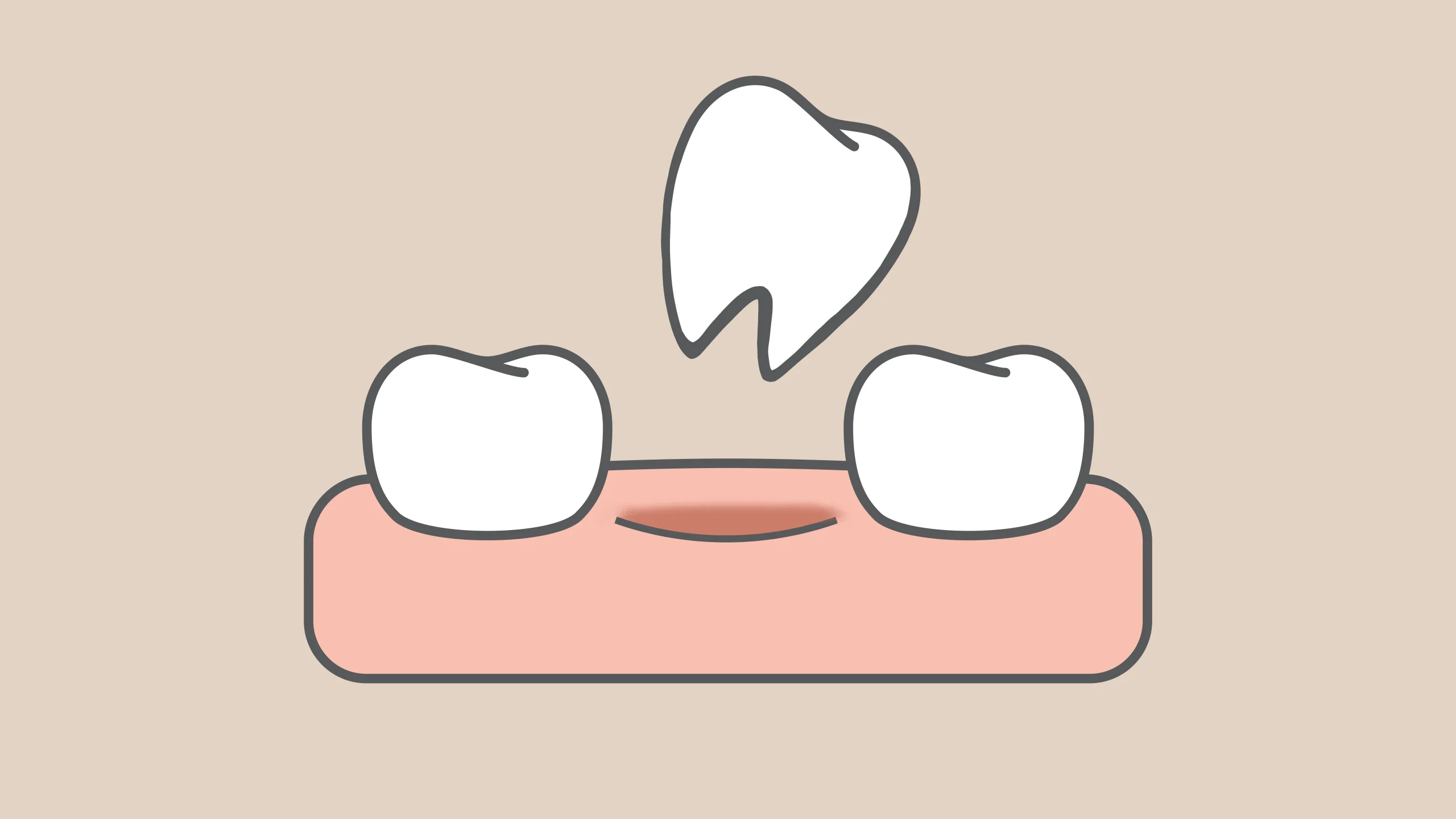
Whether you’re playing a game of pickleball or get an accidental elbow to the face, it’s crucial to act fast if a tooth is dislodged. The sooner you can get to an emergency dentist, the higher likelihood you can save your tooth.
Make sure you always handle the tooth by the crown (do not touch the root). If it’s dirty, rinse it off and carefully put it back in place. Then, use a clean cloth to gently bite down on the tooth while you head to the dentist. If you aren’t able to clean it off or put it back into your mouth, handle it with care as you transport it with you.
Many on-the-field emergency kits have Hanks Balanced Salt Solution which is a good option for storing avulsed teeth or you can pouch it in your mouth in saliva or place it in milk until you can see the dentist.
3. Long-Lasting Toothache

Whether you’re playing a game of pickleball or get an accidental elbow to the face, it’s crucial to act fast if a tooth is dislodged. The sooner you can get to an emergency dentist, the higher likelihood you can save your tooth. Make sure you always handle the tooth by the crown (do not touch the root). If it’s dirty, rinse it off and carefully put it back in place. Then, use a clean cloth to gently bite down on the tooth while you head to the dentist. If you aren’t able to clean it off or put it back into your mouth, handle it with care as you transport it with you.
4. Damaged Dental Appliance

A broken dental filling, crown, bridge, or denture can be a dental emergency, but it’s important to assess the situation before scheduling an emergency dental visit. If your broken dental appliance isn’t causing any discomfort, you can wait until a regularly scheduled appointment to address the issue. But, if it’s triggering excess bleeding, difficulty eating or speaking, tooth sensitivity, or severe discomfort, contact an emergency dentist.
5. Dental Abscess

A broken dental filling, crown, bridge, or denture can be a dental emergency, but it’s important to assess the situation before scheduling an emergency dental visit. If your broken dental appliance isn’t causing any discomfort, you can wait until a regularly scheduled appointment to address the issue. But, if it’s triggering excess bleeding, difficulty eating or speaking, tooth sensitivity, or severe discomfort, contact an emergency dentist.
Tips for Dental Emergencies
A smart way to stay prepared is to create an emergency dental kit at home. We recommend filling the kit with clean gauze, dental wax, over-the-counter pain relievers, a small container with a lid, gloves, instant ice packs, salt packets, alcohol-free antiseptic rinse, and your dentist’s emergency contact information. With a kit on hand, you can respond quickly to dental injuries with a first line of defense and be able to contact your emergency dentist promptly.
Dental Emergency FAQs
Is a chipped tooth a dental emergency ?
A chipped tooth may or may not be a dental emergency, but we know it can impact your smile and your confidence, especially if its a front tooth. If its a small chip on a front tooth with no sensitivity, we will do our best to accommodate you ASAP to get back to smiling.
For a small chip on a back tooth and you are not experiencing sensitivity to hot, cold or sweets, it most likely can wait until our office reopens and we will do our best to accommodate you as soon as possible.
If it’s a large chip and your tooth’s root is exposed or you are experiencing sensitivity to hot, cold, or sweets or significant pain and swelling,, you should seek emergency dentistry immediately to prevent your tooth from dying or getting infected.
Is a dental implant falling out an emergency ?
It’s rare that the entire implant falls out. Sometimes, an internal screw is loose or another implant component. However, this is an urgent condition, and you should reach out to your dentist or surgeon to get advice on next steps. Photos of the implant and/or component that fell out are helpful for us triaging your emergency to ensure you get the care you need.
What to do if you have a dental emergency on the weekend?
Dental emergencies aren’t something you can plan for, which is why you can contact our Midtown Dental Group offices outside of our regular business hours for urgent emergency dental care. Please email patientcare@midtowndentalgroup.com, and one of our team members will reach out with support ASAP.
Dental Emergency Care in New York City & New Jersey
Trusted Quality & Care
Wondering where to go for a dental emergency? At Midtown Dental Group, we understand how important it is to prioritize patient care whether it’s a scheduled visit or an unexpected one. We proudly offer emergency dental care services and appointments in Manhattan, Brooklyn, and New Jersey.
Important Note On Dental Emergencies

If your dental emergency is life-threatening, please call 911 or go to your nearest emergency room. Do not wait.
If your emergency is not life-threatening, you can check for our soonest availability by clicking the button above or by emailing patientcare@midtowndentalgroup.com for faster support. Be sure to include:
- “Emergency” in the subject line of your email
- In the body of the email, let us know which Midtown Dental Group office you typically visit along with a brief explanation of what you’re experiencing so we can assist you as quickly as possible